Discover 3 Benefits of Respite Care Service: Make Caregiving Easier and More Rewarding
Understanding Respite Care
Full-time caregiving is a nonstop commitment. However, with respite care, family caregivers can enjoy a well-deserved, short-term break to recharge. It provides temporary relief for caregivers, giving them a much-needed break from the difficult duty of caring for people; particularly those with physical or cognitive impairments or age-related conditions. The primary purpose is to reduce caregiver stress and physical strain, allowing them to rest, recover, and attend to personal needs while still ensuring that their loved ones receive quality care.
Discover the benefits of respite care for family caregivers. With the right support, you can regain your vitality and prevent burnout. Learn how respite care can make a difference for caregivers.
Have quality time with your family members
Respite care allows you to spend meaningful time with your family without the ongoing duties of caregiving. You can rest and bond with other family members while your loved one is temporarily cared for by a competent expert.
Improved communication
Respite care not only provides caregivers with much-needed breaks, but it also improves communication within the family. By reducing the physical and emotional demands of caregiving, family members can have more meaningful interactions and form or retain stronger bonds.
Enhanced appreciation
Respite care offers both relief and a fresh respect for caregivers and their loved ones. Stepping away from daily responsibilities allows caregivers to recharge and get a new perspective, which frequently leads to a greater sense of gratitude for the time they spend with the individuals they care for.
Respite care improves the overall health and harmony of the caregiving family by prioritizing the well-being of family caregivers while ensuring that their loved ones receive high-quality care.
Different Types of Respite Care: Which one is right for you?
Respite care can take place either in a person’s home or at a designated facility. Explore the different types of respite care available.
In-home
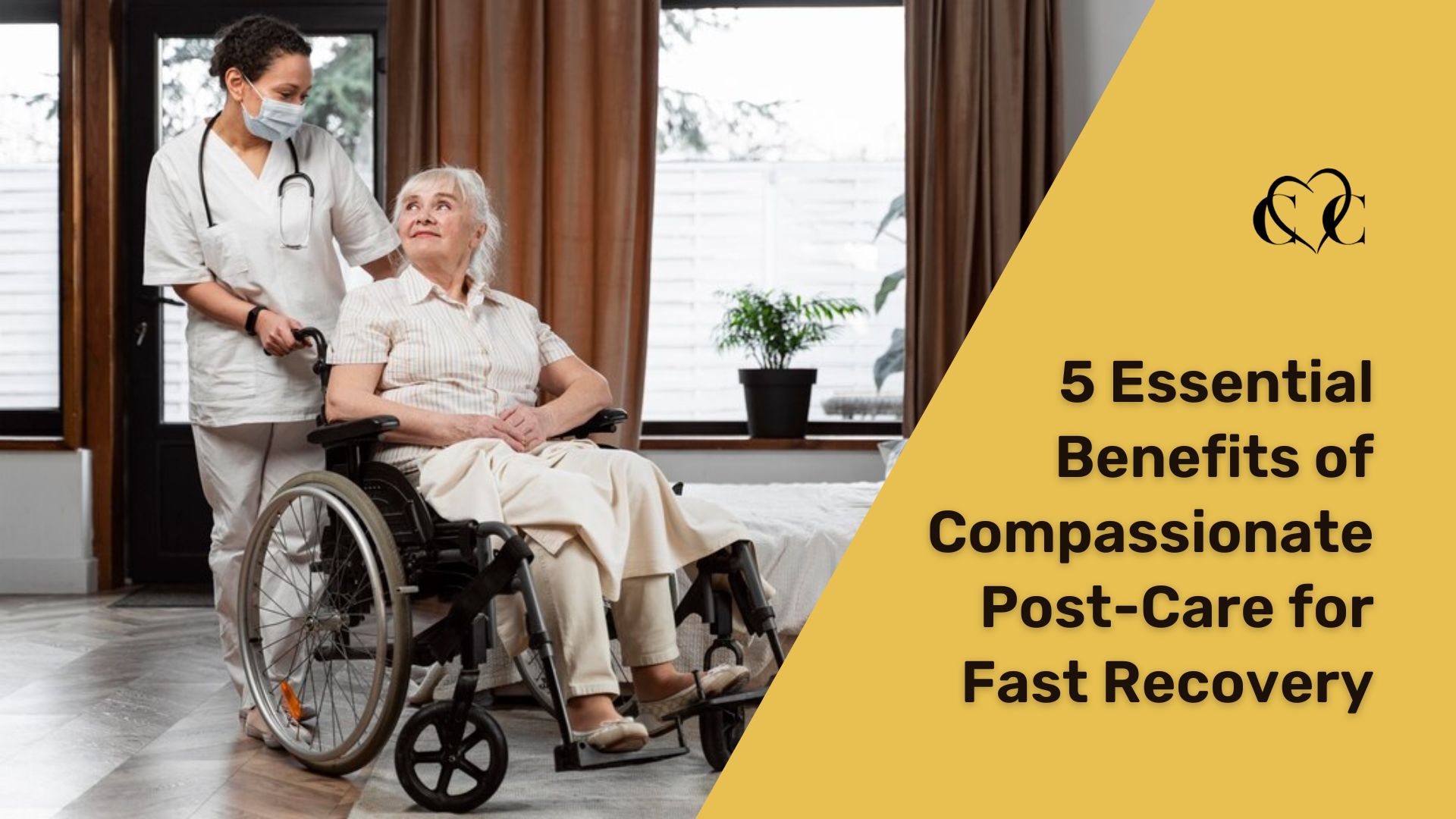
As the name suggests, in-home respite care provides essential assistance and support in the comfort of the patient’s own home. A professional caregiver from Caring Hearts Care will come to the home to assist the primary caregiver, whether for a few hours or for a short-term, full-time period.
This type of care is ideal, as it allows your loved one to remain in a familiar setting, significantly enhancing their comfort and well-being. With Caring Hearts Care, you can be assured that your loved one receives the highest level of personalized in-home support.
Adult day center
“In adult day centers, people can socialize while receiving care. Meanwhile, the primary caregiver has time to do things like go to their appointments and simply take a break”, says DeAnn Hawkins, community relations director of Spruce Point Assisted Living in Florence, Oregon.
Also known as adult daycare centers, these facilities offer primary caregivers necessary respite by providing care for their loved ones in a safe, supervised environment outside the home. While they often provide additional services such as meals, transportation, and health monitoring, the lack of in-home care can make them less beneficial for those who prefer their loved ones to remain in a familiar, comfortable setting.
Respite care facilities
These facilities offer adult care during the day and overnight, with options for both short-term and long-term stays. While they provide a controlled environment and 24-hour access to nursing and medical care, the lack of in-home care may be less ideal for those who value the comfort and familiarity of staying at home.
Overall, respite care providers offer a wide range of services suited to specific client needs, including prescription help, supervision, and companionship, ensuring seniors receive the proper degree of care.
Respite care impacts the resilience of primary caregivers
The role of a primary caregiver is crucial, but it should not jeopardize the caregiver’s well-being. Respite care is an essential resource that promotes caregivers’ health and happiness, allowing them to provide high-quality care to their loved ones.
The responsibilities of caregiving can lead to physical, emotional, and financial turmoil. While it may seem that no one can care for your loved one as effectively as you, taking breaks is necessary for your health and is not evidence of neglect.
Plan how you will spend your respite time and explore providers, particularly those who offer in-home services. Additionally, seek help before you become overwhelmed; respite care can help you and your loved one manage stress and refocus.
Respite Care Helps Families of Children with Special Needs
Parents of children with exceptional healthcare needs are frequently overwhelmed by the constant responsibilities of caregiving. This type of care can be very taxing and frequently necessitates specific training. As a result, parents may struggle to find suitable caretakers who can provide them with much-needed respite.
Respite care services are specifically developed to provide caregivers with temporary relief. Utilizing this care can help parents alleviate the stress associated with caregiving, allowing them to return to their responsibilities with a renewed perspective.
Conclusion
With respite care, family caregivers can reclaim the joy they once felt in caring for their loved ones. It helps families find the right balance between supporting a family member and prioritizing their well-being.
Are you looking for compassionate support tailored to your unique needs? Choose Respite our care service at Caring Hearts Care. Our services allow caregivers to recharge while knowing their loved ones are in professional and compassionate hands. We strive to make the caregiving journey easier while ensuring your loved one receives the highest quality respite care available.